
It’s a Sunday morning in late April. It’s nice outside: about 14°C, sunny, no wind. I sit outside, balancing my computer precariously on my lap because I wanted to catch a few minutes of sun. Around me, I hear lawn mowers and leaf blowers. People are out with their coffees, chatting or walking their dogs a little longer than usual. Children play at the local park, and the neighbourhood dogs have found their choir again.
Why all this commotion? Because the sun is out—and in this sunlit world, people seem to find a renewed sense of energy, and maybe even hope.
How Our Environment Affects Mental and Emotional Health
Our environment affects us—mentally, emotionally, and physically—for better or worse. Noise, air quality, rhythms of light and dark, the smells around us, the people we interact with, even the colours we see (or don’t see) every day—all of these influence our blood pressure, our immune system, and our mental well-being.
And yet, when we try to understand our “dis-orders”—those times when we feel out of balance and off—we rarely include these external factors in the conversation. This is especially true in traditional psychology and psychotherapy, though it is slowly beginning to change.
Beyond the Individual: Ecotherapy, Transpersonal, and Spiritual Psychotherapy
There is a growing awareness of the importance of what lies beyond the individual. Transpersonal approaches (literally, “beyond the personal”) have long included experiences outside the individual self. Historically, this has often focused on spiritual or transcendent experiences. But even here, things are shifting.
Different transpersonal therapeutic modalities now emphasize different aspects of our experiences:
- Psychosynthesis explores spirit as an extension of human experience
- Energy psychotherapy works with subtle energetic influences on well-being
- Ecotherapy (nature therapy) centres on our relationship with the natural world
Spiritual psychotherapy weaves many of these together, working toward wholeness through practices that may include nature connection, energy awareness, and spiritual inquiry.
Starting from Wholeness, Not Brokenness
More recently, I’ve been drawn to the work of Bill Plotkin, who suggests beginning therapy not with what is broken, but with what is already whole. This perspective resonates deeply with me.
I have long held the belief that human beings already carry all they need within them. What we often lose is not capacity, but connection. We are distracted, overwhelmed, and conditioned to ignore the quieter voice within us. And because we don’t listen often, we begin to mistrust it—or misinterpret it when it does arise.
How Nature Therapy Helps You Reconnect With Yourself
This is where nature can help.
When we spend time in a natural environment, especially in quiet, our attention shifts. The usual demands and distractions soften. As we listen to birdsong or the wind moving through trees, the clutter in our minds begins to settle. Our breath deepens. We fall into a more natural rhythm.
From there, something else becomes possible.
With a bit of spaciousness, we may find it easier to sit in stillness and allow something to emerge—not from outside, but from within. A feeling. A thought. A quiet knowing.
When we engage creatively with the natural world—through gardening, art, or simple acts of care for something living —we begin to integrate what we discover into our daily lives. This is one of the foundations of ecotherapy and nature-based healing.
A Simple Nature-Based Practice for Clarity and Healing
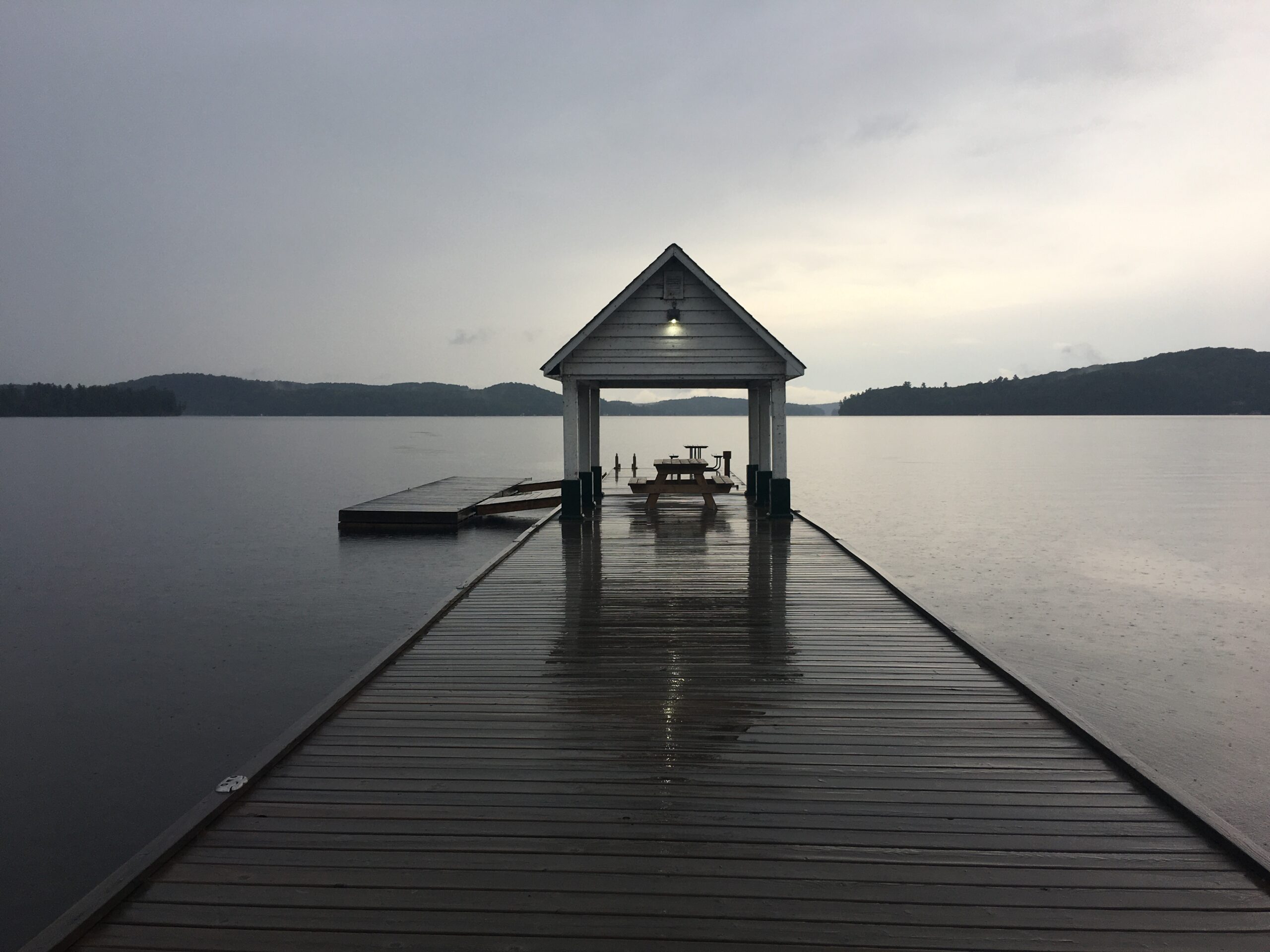
For many, sitting by a lake, walking through the woods, or tending a garden is calming and restorative. But when we approach these moments with intention—to reconnect with our own wholeness—they can also become the beginning of healing.
The next time you step outside for a breather, you might try this simple nature-based practice:
- Take a few conscious breaths, allowing yourself to arrive fully where you are.
- Gently bring your awareness to your surroundings. Mindfully, notice colours, scents, sounds. Feel the air or sunlight on your skin.
- If it feels comfortable, close your eyes. If not, rest your gaze on something steady and calming.
- Then, quietly ask within: What do I need to know right now?
Be still. Don’t force an answer. Let whatever arises come without judgment.
At first, you may hear your Inner Critic—the voice that says this is a waste of time or that it doesn’t make sense. Don’t engage it. Simply acknowledge it: Of course. Thanks for your input. Then return to your breath and your listening.
What comes may be simple: breathe, rest, you’ll be okay.
Then ask: What small, meaningful step could I take today?
If the answer is something big—change jobs, clear out the attic—acknowledge it, but gently ask again. This is not about building a to-do list. It’s about reconnecting with your own sense of wholeness. Let the response be something small, doable, and meaningful.
Healing Through Meaningful Action
That last piece is what matters most: let it be meaningful to you.
I’m not talking about self-indulgence. Very often, what is truly meaningful is also challenging. It may ask a lot of us. But we recognize it as right—aligned with who we are and important to the world we are part of.
When we act without that sense of meaning, even our best efforts can feel flat. But when we take even the smallest action rooted in our wholeness, something begins to shift.
We create change—real, grounded, positive change.
Over time, from that place, we can meet the more difficult parts of ourselves—the judgment, fear, anger, and criticism—with greater clarity and compassion.
And it can all begin with a quiet moment in nature!